

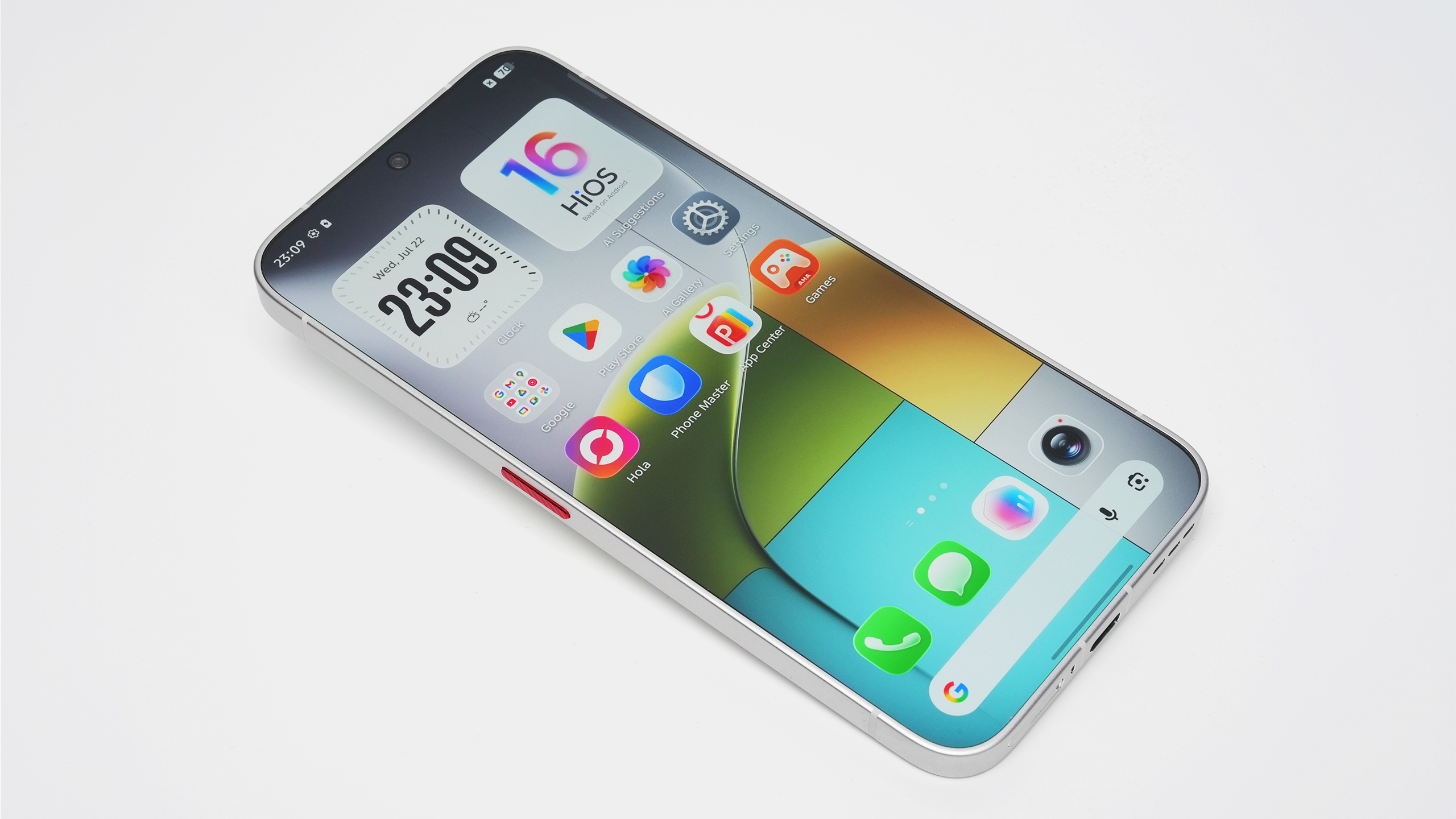
There is still a slightly old-fashioned idea hanging around that serious digital activity happens on a computer, while the phone is for quick checks made while standing in a queue. That distinction made more sense ten years ago. Today, a phone can handle live sport, detailed statistics, banking, streaming, shopping, work and a long list of services that once felt much more comfortable on a desktop. The screen is smaller, obviously. The experience does not necessarily become smaller with it.
Most of the thinking happens before the tap
A football fan might spend half an hour reading team news, checking recent form, watching clips and looking at the confirmed lineup, then make the final decision from a phone simply because that is the device already in their hand. That applies to much more than betting. People research restaurants before booking them, compare products before buying, check several news sources before following a story and look through statistics before deciding what they think about a match. Even when someone eventually places bets, that final tap may come after quite a lot of reading elsewhere. Platforms such as Betway have had to adapt to the same broader shift affecting almost every online service: mobile users now expect access to enough information to make a proper decision rather than being given a simplified version of the desktop site.
A smaller screen forces different choices
Desktop websites have room for everything at once. That is useful, but it can also become noisy. Menus, sidebars, extra panels, notifications and recommendations can all compete for attention. Mobile has much less space, so designers have to decide what actually deserves to stay on screen. That can sometimes improve the experience. A sports app, for example, needs to make the score, match status and important statistics immediately readable. A banking app has to keep the balance and main actions close. An online store cannot bury search and checkout beneath several layers of navigation. The small screen is not simply a limitation anymore. It forces prioritisation.
Sport fits particularly well on mobile
Sport is a good example because people rarely follow it in one place for an entire day. A match might be on television while another score is being checked on the phone. Team news arrives before kickoff, statistics are looked up during halftime and reactions appear almost immediately afterwards. The phone fills the spaces around the main event. That is especially useful when someone is away from home. There is no need to find a computer just to check a lineup, read an injury update or see what happened in another fixture. The information travels with the user.
The desktop no longer owns the complicated jobs
There was also a time when anything involving money, detailed forms or important account information felt safer or easier on a computer. That habit is disappearing. Banking is now routine on mobile. Flights are booked from phones. Documents are signed there. People manage subscriptions, investments and work accounts from the same device they use for messaging. The quality of mobile interfaces has simply caught up with the importance of the tasks. That does not mean desktop has become unnecessary. A larger screen is still better for some things, particularly when several windows or large amounts of information need to be compared at once. But using a phone no longer automatically means choosing the basic version.
Mobile has grown into the main experience
Phones used to be the compromise you accepted when a computer was not nearby. For many people, that relationship has reversed. The phone is the first screen they reach for in the morning and often the last one they put down at night. News, sport, payments, entertainment and communication all meet there. That has forced websites and apps to stop treating mobile as a reduced copy of something better.