Technnnn
    What's Hot

    Why You Should Try Color Block Jam Now

    February 2, 2026

    WPS Official Website Advanced Tools for Professional Document Accuracy

    February 2, 2026

    WhatsApp Web Version Solutions to Telegram Chinese International Messaging

    February 2, 2026
    WhatsApp Telegram
    Technnnn
    • Home
    • Tech
    • Apps
    • How to
    • About Us
    WhatsApp Telegram
    Technnnn
    How to

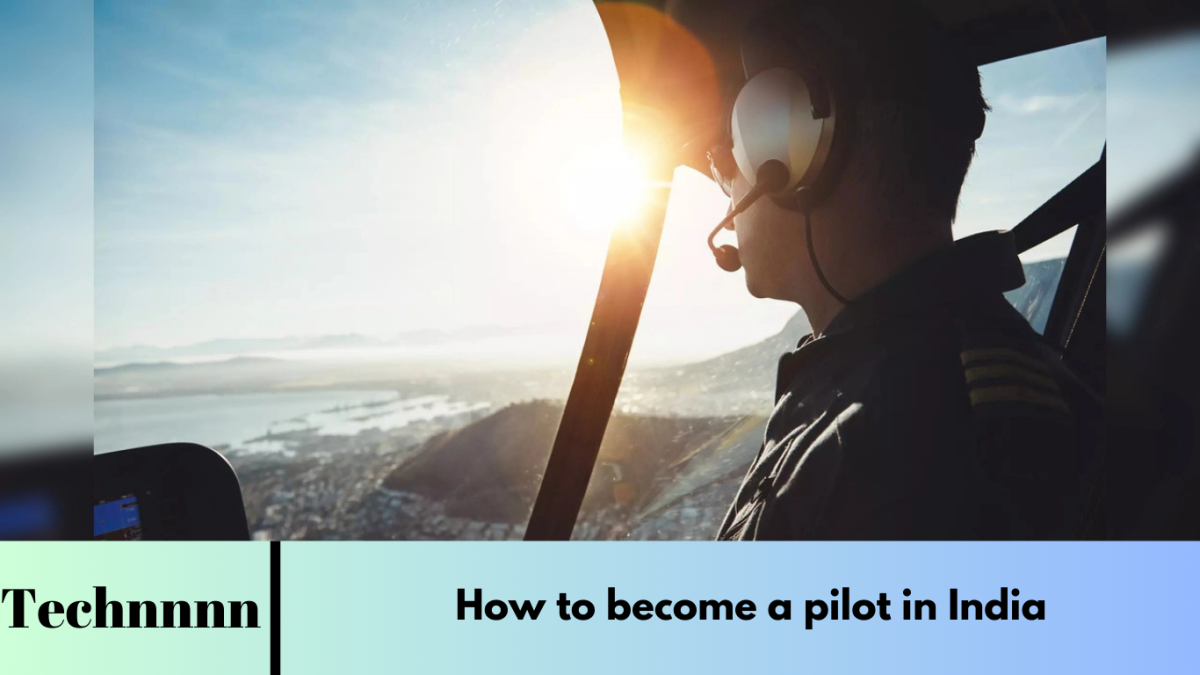
    How to become a pilot in India

    William WallaceWilliam WallaceNovember 19, 2024Updated:November 19, 20245 Mins Read
    Telegram WhatsApp
    Becoming a pilot is a dream career for many, combining adventure, responsibility, and lucrative opportunities. Pilots operate aircraft safely and efficiently, ensuring the well-being of passengers, cargo, and crew. In India, two primary pathways lead to this exciting career: civil aviation and the Indian Defence Forces. Each route demands rigorous training, specific licenses, and dedicated preparation. This guide explores the detailed steps, requirements, and insights needed to embark on your journey to becoming a pilot in India. Key Takeaways Two Main Pathways: Choose between a civil aviation career or joining the Indian Defence Forces. Licenses and Exams: Civil aviation pilots need licenses such as SPL, PPL, CPL, and ATPL. Air force pilots must pass defense-specific tests like NDA, CDSE, or AFCAT. Medical and Flying Requirements: Meeting stringent medical standards and logging required flight hours are essential for securing a pilot’s license. Steps to Become a Pilot in India 1. Conduct Thorough Research Start by understanding the two primary pathways: Civil Aviation: Focused on flying commercial or private aircraft for passengers, cargo, or special operations like surveying and rescue missions. Indian Defence Forces: Includes roles in the Air Force, piloting fighter jets, bombers, and transport aircraft as part of national security. Consider the qualifications, skills, training costs, and long-term career goals associated with each pathway. For instance, civil aviation may offer greater flexibility, while defense pilots enjoy unparalleled prestige and benefits. 2. Choose Between Commercial or Air Force Pilot Civil Aviation Pilot Civil aviation involves flying for airlines, charter services, or private clients. Steps to Follow: Education: Complete your Higher Secondary Certificate (HSC) with physics and mathematics as mandatory subjects. Licenses: Begin with a Student Pilot License (SPL) and advance through Private Pilot License (PPL) to a Commercial Pilot License (CPL). Roles: From flying commercial aircraft to specialized missions like aerial photography or agricultural spraying, civil aviation offers diverse opportunities. Air Force Pilot Becoming an Air Force pilot means serving the nation and operating high-performance military aircraft. Steps to Follow: Education: Join after HSC or graduation. Entrance Exams: Clear tests like NDA (National Defence Academy), CDSE (Combined Defence Services Examination), or AFCAT (Air Force Common Admission Test). Roles: Tasks include reconnaissance missions, air combat, and humanitarian aid during emergencies. 3. Join a Flying School To pursue civil aviation, enrolling in a Directorate General of Civil Aviation (DGCA)-approved flying school is mandatory. Steps to Select a School: Research the curriculum, faculty, facilities, and fees. Ensure the school offers adequate flying hours and simulator training. Some popular DGCA-approved schools in India include Indira Gandhi Institute of Aeronautics and Indira Gandhi Institute of Aeronautics in Chandigarh. 4. Obtain a Pilot License Civil Aviation Licenses Student Pilot License (SPL): Minimum Age: 16 years. Requirements: Pass a basic oral test conducted by DGCA. Private Pilot License (PPL): Minimum Age: 17 years. Requirements: At least 60 hours of flight training and theory exams in meteorology, navigation, and engines. Commercial Pilot License (CPL): Minimum Age: 18 years. Requirements: 200 logged flight hours and passing written tests in air navigation, radiotelephony, and meteorology. Airline Transport Pilot License (ATPL): Minimum Age: 21 years. Requirements: Extensive flying experience and exams for senior airline roles. Air Force Pilot License Obtained after clearing defense-specific training and aptitude tests conducted by the Indian Defence Forces. 5. Pass Required Exams Civil Aviation Exams SPL: Oral exam covering basic aviation concepts. PPL and CPL: Written and practical tests on subjects like air regulation and meteorology. Air Force Exams NDA: Focuses on aptitude and mathematics. CDSE and AFCAT: Includes sections on reasoning, English, and general knowledge. 6. Accumulate Flying Experience Flight hours are critical for advancing in aviation. SPL: No hours required. PPL: Requires a minimum of 60 flight hours. CPL: Demands 200 logged flight hours. ATPL: Involves years of experience and extensive hours in advanced aircraft. 7. Meet Medical Fitness Standards Physical and mental health is crucial for pilots. Basic Requirements: Minimum height: 152 cm. Vision: Corrective vision standards (6/6 in one eye, 6/9 in the other). Weight: Proportional to height. Pilots must undergo regular medical examinations to maintain their licenses. Average Salary for Pilots in India Civil Aviation Pilots: Average salary is ₹3,62,744 per year, ranging from ₹2,11,000 to ₹10,73,000 annually. Air Force Pilots: Receive competitive pay along with benefits like housing, healthcare, and retirement plans. Tips for Aspiring Pilots Choose a Reputable Flying School: Ensure it’s DGCA-approved. Develop Communication Skills: Proficiency in English is essential. Practice Staying Calm Under Pressure: Key to managing emergencies effectively. Hone Mathematical Skills: Useful for navigation and calculations. Stay Physically Fit: Maintain optimal health to meet stringent medical standards. Frequently Asked Questions (FAQs) 1. What is the minimum age to become a pilot in India? The minimum age is 16 for SPL, 17 for PPL, and 18 for CPL. 2. How much does pilot training cost in India? Training costs range between ₹20-50 lakhs, depending on the flying school and duration. 3. Can I become a pilot without a science background? Yes, you can meet eligibility by studying physics and mathematics through open schooling. 4. How long does it take to become a commercial pilot? It typically takes 2-4 years, including flight training and required flight hours. 5. What is DGCA’s role in pilot licensing? DGCA oversees aviation safety, conducts exams, and issues pilot licenses in India. Conclusion Becoming a pilot in India requires dedication, financial investment, and a commitment to lifelong learning. Whether you aim to fly commercial aircraft or serve the nation as an Air Force pilot, this career offers immense rewards and satisfaction. By following the outlined steps, selecting the right pathway, and meeting licensing and medical requirements, you can achieve your aviation dreams. The skies are calling—are you ready to answer?
    Share
    Telegram WhatsApp

    Becoming a pilot is a dream career for many, combining adventure, responsibility, and lucrative opportunities. Pilots operate aircraft safely and efficiently, ensuring the well-being of passengers, cargo, and crew. In India, two primary pathways lead to this exciting career: civil aviation and the Indian Defence Forces. Each route demands rigorous training, specific licenses, and dedicated preparation.

    This guide explores the detailed steps, requirements, and insights needed to embark on your journey to becoming a pilot in India.


    Key Takeaways

    • Two Main Pathways: Choose between a civil aviation career or joining the Indian Defence Forces.
    • Licenses and Exams: Civil aviation pilots need licenses such as SPL, PPL, CPL, and ATPL. Air force pilots must pass defense-specific tests like NDA, CDSE, or AFCAT.
    • Medical and Flying Requirements: Meeting stringent medical standards and logging required flight hours are essential for securing a pilot’s license.

    Steps to Become a Pilot in India

    1. Conduct Thorough Research

    Start by understanding the two primary pathways:

    • Civil Aviation: Focused on flying commercial or private aircraft for passengers, cargo, or special operations like surveying and rescue missions.
    • Indian Defence Forces: Includes roles in the Air Force, piloting fighter jets, bombers, and transport aircraft as part of national security.

    Consider the qualifications, skills, training costs, and long-term career goals associated with each pathway. For instance, civil aviation may offer greater flexibility, while defense pilots enjoy unparalleled prestige and benefits.


    2. Choose Between Commercial or Air Force Pilot

    Civil Aviation Pilot

    Civil aviation involves flying for airlines, charter services, or private clients.

    Steps to Follow:

    • Education: Complete your Higher Secondary Certificate (HSC) with physics and mathematics as mandatory subjects.
    • Licenses: Begin with a Student Pilot License (SPL) and advance through Private Pilot License (PPL) to a Commercial Pilot License (CPL).

    Roles: From flying commercial aircraft to specialized missions like aerial photography or agricultural spraying, civil aviation offers diverse opportunities.


    Air Force Pilot

    Becoming an Air Force pilot means serving the nation and operating high-performance military aircraft.

    Steps to Follow:

    • Education: Join after HSC or graduation.
    • Entrance Exams: Clear tests like NDA (National Defence Academy), CDSE (Combined Defence Services Examination), or AFCAT (Air Force Common Admission Test).

    Roles: Tasks include reconnaissance missions, air combat, and humanitarian aid during emergencies.


    3. Join a Flying School

    To pursue civil aviation, enrolling in a Directorate General of Civil Aviation (DGCA)-approved flying school is mandatory.

    Steps to Select a School:

    • Research the curriculum, faculty, facilities, and fees.
    • Ensure the school offers adequate flying hours and simulator training.

    Some popular DGCA-approved schools in India include Indira Gandhi Institute of Aeronautics and Indira Gandhi Institute of Aeronautics in Chandigarh.


    4. Obtain a Pilot License

    Civil Aviation Licenses

    1. Student Pilot License (SPL):
      • Minimum Age: 16 years.
      • Requirements: Pass a basic oral test conducted by DGCA.
    2. Private Pilot License (PPL):
      • Minimum Age: 17 years.
      • Requirements: At least 60 hours of flight training and theory exams in meteorology, navigation, and engines.
    3. Commercial Pilot License (CPL):
      • Minimum Age: 18 years.
      • Requirements: 200 logged flight hours and passing written tests in air navigation, radiotelephony, and meteorology.
    4. Airline Transport Pilot License (ATPL):
      • Minimum Age: 21 years.
      • Requirements: Extensive flying experience and exams for senior airline roles.

    Air Force Pilot License

    Obtained after clearing defense-specific training and aptitude tests conducted by the Indian Defence Forces.


    5. Pass Required Exams

    Civil Aviation Exams

    • SPL: Oral exam covering basic aviation concepts.
    • PPL and CPL: Written and practical tests on subjects like air regulation and meteorology.

    Air Force Exams

    • NDA: Focuses on aptitude and mathematics.
    • CDSE and AFCAT: Includes sections on reasoning, English, and general knowledge.

    6. Accumulate Flying Experience

    Flight hours are critical for advancing in aviation.

    • SPL: No hours required.
    • PPL: Requires a minimum of 60 flight hours.
    • CPL: Demands 200 logged flight hours.
    • ATPL: Involves years of experience and extensive hours in advanced aircraft.

    7. Meet Medical Fitness Standards

    Physical and mental health is crucial for pilots.

    Basic Requirements:

    • Minimum height: 152 cm.
    • Vision: Corrective vision standards (6/6 in one eye, 6/9 in the other).
    • Weight: Proportional to height.

    Pilots must undergo regular medical examinations to maintain their licenses.


    Average Salary for Pilots in India

    • Civil Aviation Pilots: Average salary is ₹3,62,744 per year, ranging from ₹2,11,000 to ₹10,73,000 annually.
    • Air Force Pilots: Receive competitive pay along with benefits like housing, healthcare, and retirement plans.

    Tips for Aspiring Pilots

    • Choose a Reputable Flying School: Ensure it’s DGCA-approved.
    • Develop Communication Skills: Proficiency in English is essential.
    • Practice Staying Calm Under Pressure: Key to managing emergencies effectively.
    • Hone Mathematical Skills: Useful for navigation and calculations.
    • Stay Physically Fit: Maintain optimal health to meet stringent medical standards.

    Frequently Asked Questions (FAQs)

    1. What is the minimum age to become a pilot in India?

    The minimum age is 16 for SPL, 17 for PPL, and 18 for CPL.

    2. How much does pilot training cost in India?

    Training costs range between ₹20-50 lakhs, depending on the flying school and duration.

    3. Can I become a pilot without a science background?

    Yes, you can meet eligibility by studying physics and mathematics through open schooling.

    4. How long does it take to become a commercial pilot?

    It typically takes 2-4 years, including flight training and required flight hours.

    5. What is DGCA’s role in pilot licensing?

    DGCA oversees aviation safety, conducts exams, and issues pilot licenses in India.


    Conclusion

    Becoming a pilot in India requires dedication, financial investment, and a commitment to lifelong learning. Whether you aim to fly commercial aircraft or serve the nation as an Air Force pilot, this career offers immense rewards and satisfaction.

    By following the outlined steps, selecting the right pathway, and meeting licensing and medical requirements, you can achieve your aviation dreams. The skies are calling—are you ready to answer?

    Share. Telegram WhatsApp
    Add A Comment

    Leave A Reply Cancel Reply

    Latest Posts

    Why You Should Try Color Block Jam Now

    February 2, 20260 Views

    WPS Official Website Advanced Tools for Professional Document Accuracy

    February 2, 20260 Views

    WhatsApp Web Version Solutions to Telegram Chinese International Messaging

    February 2, 20260 Views

    Complete Biography of Aitor Paredes: The Bilbao Stalwart

    January 17, 20260 Views
    Categories
    • Apps
    • Blog
    • Credit Card
    • Education
    • How to
    • SEO TOOL
    • Tech
    • UNIVERSITY
    About Us

    Welcome to Technnnn – your go-to source for cutting-edge innovation and the latest in the tech world. At Technnnn, we strive to redefine tomorrow by delivering insightful blogs, up-to-date technology news, gaming buzz, and thought-provoking discussions.

    Latest Post

    Why You Should Try Color Block Jam Now

    February 2, 2026

    WPS Official Website Advanced Tools for Professional Document Accuracy

    February 2, 2026

    WhatsApp Web Version Solutions to Telegram Chinese International Messaging

    February 2, 2026
    Contact Us

    Email: davidpowellofficial@gmail.com

    © 2026 Technnnn. Designed by Technnnn.
    • Home
    • About Us
    • Disclaimer
    • Privacy Policy
    • Terms and Conditions
    • Write for Us

    Type above and press Enter to search. Press Esc to cancel.