

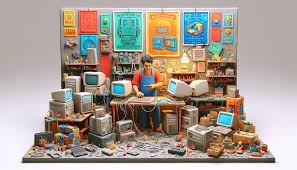
In a world overflowing with digital noise, physical visuals still have an undeniable power. Walk into a café, a school hallway, a startup office, or a community event, and what catches your eye first? Often, it’s a well-designed poster. Despite the rise of screens and social feeds, posters remain one of the most effective ways to communicate ideas quickly and memorably. For a tech-forward audience like the readers of technnnn.com, the intersection of design, technology, and real-world impact makes posters more relevant than ever.
What’s changed is how posters are created. You no longer need expensive software, years of design experience, or a professional studio to produce something that looks polished. Today’s tools blend simplicity with power, allowing anyone from developers to educators to turn ideas into tangible visuals that make an impression.
In fact, creating a high-quality printable poster has become more accessible thanks to modern, browser-based design platforms that prioritize speed, flexibility, and creative control. This shift matters, especially for people who value efficiency and clean results without unnecessary complexity.
Why Posters Still Matter in a Digital-First World
It’s easy to assume that physical media is outdated, but that couldn’t be further from the truth. Posters thrive because they’re unavoidable in the right context. You can scroll past an ad online, but you can’t scroll past a poster on a wall you walk by every day.
For tech events, product launches, hackathons, or workshops, posters serve as silent ambassadors. They communicate essential details what, when, where while reinforcing brand identity through color, typography, and layout. Unlike digital ads that disappear in seconds, a printed visual stays visible, working for you continuously.
There’s also a psychological element at play. Physical materials feel more “real” to people. They’re trusted more, remembered longer, and often taken more seriously. When paired with thoughtful design, posters can elevate even the simplest message.
The Evolution of Poster Design Tools
Not long ago, designing a poster meant mastering complex software or outsourcing the work. Both options came with steep learning curves or high costs. Today’s design landscape looks very different.
Modern tools are built for speed and usability. They offer templates, drag-and-drop elements, smart alignment, and typography suggestions that reduce guesswork. This democratization of design means that creativity is no longer locked behind technical barriers.
For tech professionals, this is especially appealing. You can prototype an idea visually just as quickly as you would wireframe an app. You can test different versions, adjust messaging, and iterate fast without disrupting your workflow.
Designing Posters That Actually Get Noticed
A good poster isn’t about cramming information into a rectangle. It’s about clarity, hierarchy, and intention. Here are some practical principles that consistently work:
1. Start With One Clear Goal
Every poster should answer one primary question. Are you promoting an event? Explaining a concept? Announcing a release? Decide this first, and let it guide every design choice.
2. Respect Visual Hierarchy
The human eye scans before it reads. Use size, contrast, and spacing to guide attention. A strong headline, a supporting visual, and concise details work better than dense text blocks.
3. Choose Readable Typography
Fancy fonts may look interesting, but readability always wins. Stick to clean typefaces and limit yourself to two or three fonts max. Consistency creates professionalism.
4. Use Color With Purpose
Color sets mood and directs focus. High contrast improves readability, while a controlled palette keeps the design from feeling chaotic. Think brand alignment, not decoration.
5. Leave Breathing Room
White space isn’t wasted space. It helps important elements stand out and makes your message easier to absorb at a glance.
Real-Life Use Cases Where Posters Shine
Posters aren’t limited to marketing. Their versatility is what makes them powerful.
- Educational environments: Teachers use them to explain complex topics visually think algorithms, scientific processes, or historical timelines.
- Workplaces: Teams display posters outlining workflows, values, or sprint goals, reinforcing culture and clarity.
- Events and meetups: From QR codes to schedules, posters provide quick reference points without requiring a device.
- Small businesses: Storefronts rely on posters for promotions, menus, and announcements that feel personal and local.
In each case, the poster’s success depends on how well design and message align with audience needs.
Bridging Digital Thinking With Physical Output
For readers of technnnn.com, the appeal of posters lies in their hybrid nature. You design digitally, iterate like a product, and then release it into the physical world. It’s a satisfying loop that blends creativity with execution.
Smart creators treat posters like interfaces. They consider user experience: How far away will someone stand? What information do they need first? How long will they look? This mindset transforms a simple print into an effective communication tool.
Common Mistakes to Avoid
Even with great tools, some pitfalls can weaken your impact:
- Overloading with text instead of focusing on key points
- Ignoring print dimensions and resolution
- Using low-quality images that look fine on screen but fail in print
- Forgetting to proofread (a small typo can undermine credibility)
Avoiding these mistakes doesn’t require perfection just attention and a bit of planning.
Conclusion: Design With Intention, Print With Confidence
Posters continue to earn their place in a tech-driven world because they do one thing exceptionally well: they communicate clearly, quickly, and memorably. With today’s design tools, creating professional-looking visuals is no longer reserved for designers alone.
Whether you’re promoting an event, teaching a concept, or building a brand presence offline, the key is intention. Focus on clarity, respect your audience’s time, and let design support your message not overshadow it.
When digital thinking meets thoughtful print design, the result is more than just a poster. It’s a statement quiet, confident, and effective.