

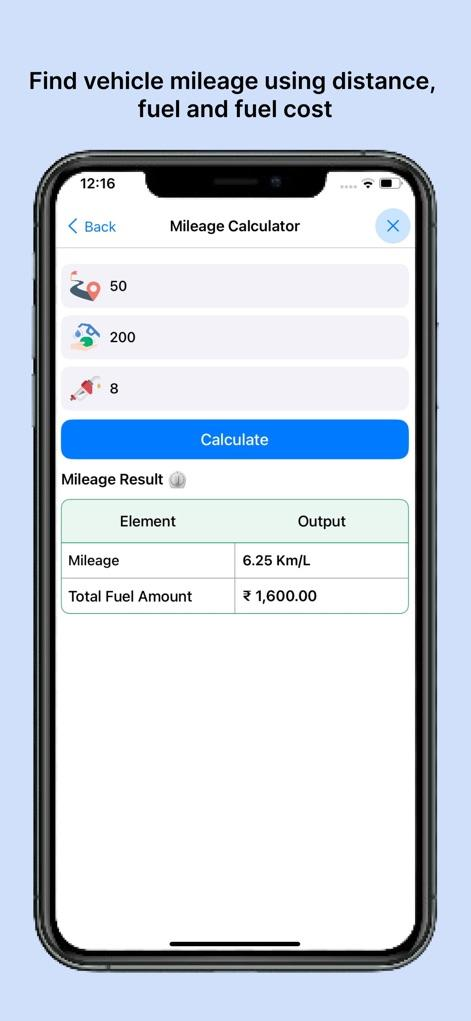
Managing travel expenses can become challenging when driving is a regular part of work or daily life. Fuel purchases, business journeys, parking costs, and distances travelled can quickly add up, making it difficult to understand exactly how much is being spent on transportation.
Keeping accurate records can make this process much easier. Vehicle Mileage Tracking provides a practical way to record journeys, monitor distances, organise fuel information, and create a clearer picture of travel-related expenses. Whether you drive occasionally for work or spend most of your working day on the road, consistent mileage records can support better expense management.
Understanding the Connection Between Mileage and Travel Expenses
Mileage and travel expenses are closely connected. The more frequently a vehicle is used, the more important it becomes to understand how far it travels and how much that travel costs.
Mileage records can provide useful information about:
- Total distance travelled during a specific period
- Fuel consumption and fuel costs
- Business-related journeys
- Personal and work-related driving
- Recurring travel expenses
- Changes in vehicle usage over time
When these details are recorded consistently, it becomes easier to review transportation costs and identify areas where spending may be reduced.
Why Accurate Mileage Records Matter
Small recording errors can create larger problems when they accumulate over weeks or months. For example, forgetting several journeys or entering incorrect distances can make monthly travel expenses appear lower or higher than they actually are.
Accurate records can help provide a reliable overview of vehicle use. This is particularly useful for individuals who need to review business travel, prepare expense reports, or understand their regular transportation costs.
Better Visibility Into Driving Habits
Mileage records can reveal how often you drive, which routes you use most frequently, and how much distance you cover. This information can help you understand whether certain journeys are contributing significantly to your overall expenses.
Easier Expense Reviews
When mileage and fuel information are organised together, reviewing travel expenses becomes more straightforward. Instead of searching through separate notes or receipts, you can use a consistent record of your journeys.
More Consistent Documentation
Maintaining records throughout the year reduces the need to reconstruct past journeys from memory. This can be especially helpful when travel information is required after several weeks or months.
Ways Mileage Tracking Can Simplify Expense Management
A structured mileage-tracking process can reduce the amount of manual work involved in managing travel expenses.
Record Each Journey
Start by recording the important details of each relevant trip. Depending on your needs, this could include:
- Date of travel
- Starting and ending mileage
- Total distance
- Journey purpose
- Business or personal classification
- Related travel expenses
Recording information close to the time of travel can improve accuracy and reduce forgotten details.
Monitor Fuel Spending
Fuel is one of the most common vehicle-related expenses. Keeping a record of fuel purchases alongside mileage can help you understand how much you spend in relation to the distance travelled.
For example, if fuel costs increase significantly while your normal mileage remains similar, reviewing the records may help identify changes in fuel consumption or driving conditions.
Categorise Business and Personal Trips
For people who use the same vehicle for work and personal activities, separating journeys can make expense management easier.
Business trips might include travelling to:
- Client meetings
- Business events
- Worksites
- Supplier locations
- Customer appointments
Keeping these categories separate provides a clearer picture of business-related vehicle use.
Using Mileage Data to Understand Fuel Efficiency
Mileage tracking can do more than record distance. When combined with fuel information, it can help you evaluate fuel efficiency.
A basic fuel-efficiency calculation is:
Fuel Efficiency = Distance Travelled ÷ Fuel Used
For example, if a vehicle travels 500 kilometres and consumes 50 litres of fuel, its estimated efficiency is 10 kilometres per litre.
Tracking this information over several journeys can provide more useful insights than calculating it only once. You may notice that fuel efficiency changes depending on traffic, road conditions, vehicle load, or driving behaviour.
Creating a More Organised Travel Expense Routine
Good expense management does not necessarily require complicated processes. A consistent routine can make a significant difference.
Update Records Regularly
Avoid waiting until the end of the month to remember every journey. Updating mileage information regularly makes records easier to maintain and generally reduces the risk of missing trips.
Keep Supporting Information
Fuel receipts, parking records, toll information, and other relevant documents can provide useful supporting details. Keeping them organised alongside mileage records can make expense reviews easier.
Review Data Periodically
Set aside time to review your mileage and travel expenses. A weekly or monthly review can help identify unusual spending and ensure that important records have not been overlooked.

How Businesses Can Benefit From Mileage Tracking
Businesses with employees or contractors who regularly travel may have to manage a significant amount of vehicle-related information.
Sales teams, consultants, technicians, tradespeople, healthcare workers, and other mobile professionals may all accumulate substantial mileage through their work.
Organised mileage records can help businesses:
- Review employee travel activity
- Understand transportation costs
- Prepare internal expense reports
- Monitor business-related vehicle usage
- Identify recurring travel patterns
- Improve travel budgeting
A consistent recording process can also make it easier for employees to submit travel information in a standard format.
Common Problems With Manual Mileage Records
Traditional mileage tracking methods can work, but they may become difficult to manage when travel increases.
Forgotten Journeys
Busy schedules can make it easy to forget a trip, particularly when several journeys take place on the same day.
Incorrect Calculations
Manually calculating distances and fuel efficiency can lead to arithmetic mistakes, especially when records cover a long period.
Disorganised Information
Keeping mileage notes, fuel receipts, and expense details in different locations can make it harder to review the complete picture.
Delayed Record Keeping
Entering several weeks of travel information at once can result in incomplete or inaccurate records because the details may no longer be easy to remember.
Tips for More Reliable Mileage Tracking
The quality of your expense management depends heavily on the accuracy of your mileage records. A few simple habits can improve consistency.
Use Consistent Units
Choose a standard measurement system, such as kilometres or miles, and use it consistently throughout your records.
Record Odometer Readings Carefully
Check the vehicle’s odometer before and after relevant journeys where appropriate. Accurate readings provide a stronger foundation for calculating distance.
Avoid Relying on Memory
Record information as soon as practical rather than trying to reconstruct your travel history later.
Check for Missing Entries
Before finalising a weekly or monthly expense report, review your records for gaps or unusually high mileage figures.
Turning Mileage Records Into Useful Insights
Once you have collected mileage information over time, the data can become more valuable. Instead of simply recording kilometres or miles, you can use historical information to understand your overall driving patterns.
For example, you may discover that certain months involve significantly more travel than others. You may also identify routes or activities that consistently contribute to higher fuel costs.
These insights can support better decisions about:
- Travel planning
- Fuel budgeting
- Vehicle usage
- Business trip scheduling
- Expense forecasting
Regular reviews can therefore turn basic mileage records into useful information for managing transportation costs.
Final Thoughts
Travel expenses can become difficult to manage when vehicle use is frequent and records are inconsistent. Fuel purchases, business journeys, and other transportation costs can quickly accumulate without a clear system for tracking them.
Vehicle Mileage Tracking offers a straightforward way to organise distance and travel information while creating a clearer connection between vehicle use and expenses. By recording journeys regularly, monitoring fuel consumption, separating relevant trip categories, and reviewing information periodically, drivers and businesses can gain better control over their transportation records.
The most important factor is consistency. Accurate information recorded throughout the year is far more useful than trying to reconstruct months of travel from memory. A simple and reliable mileage-tracking routine can make expense management easier, more organised, and more transparent.